1378(km)
WHO SHOOTS, LOSES.
An interactive serious game about the inner-German border by Jens M. Stober. Explore the historical border locations and experience the moral dilemma in first-person.

















The Game & Concept
1378(km) is a computer game modification focusing on the inner-German border. Developed by Jens M. Stober in 2010 during his Media Arts studies at University of Arts and Design Karlsruhe (HfG), it is based on the multiplayer Source Engine (Half-Life 2). As a serious game, the project aims to give a younger generation immersive and interactive access to recent German history. Unlike traditional shooters, you are directly confronted with the moral consequences of your actions.
Core Gameplay Features
Moral Dilemma
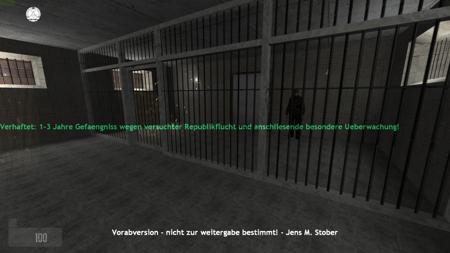
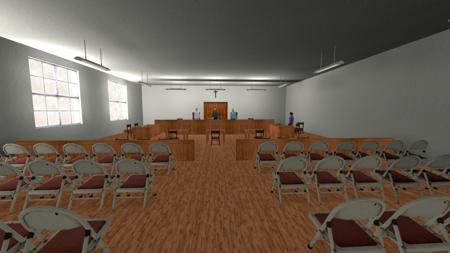
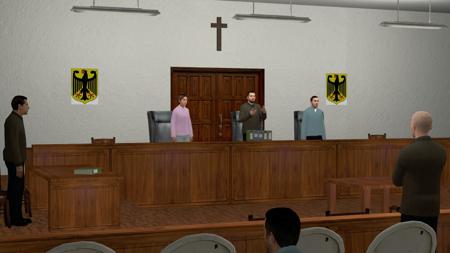
Who shoots, loses. If you play as an East German border guard and shoot at refugees, you are immediately teleported into the future to a trial in the year 2000. Your active game ends and you must await the trial.
Freedom of Choice
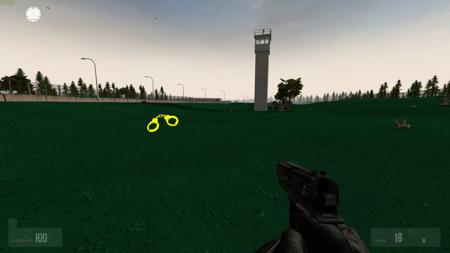
The game does not force you to shoot. As a guard, you can choose to arrest refugees without violence, let them pass, or even decide to become a refugee yourself and flee to the West.
Historical Reconstruction
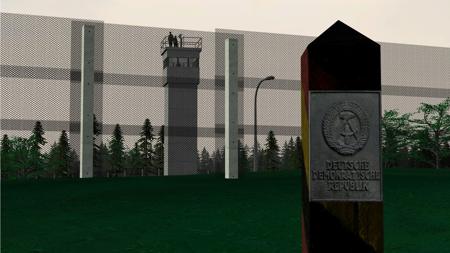
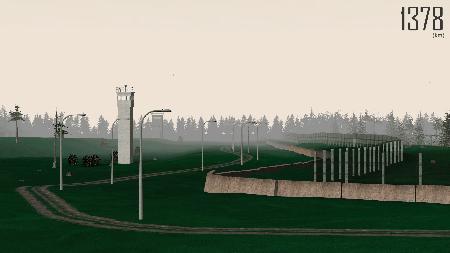
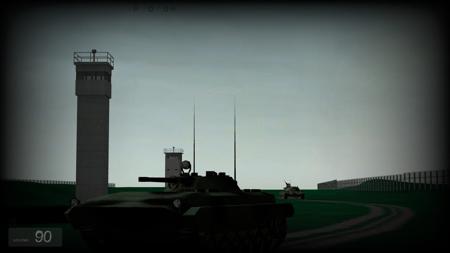
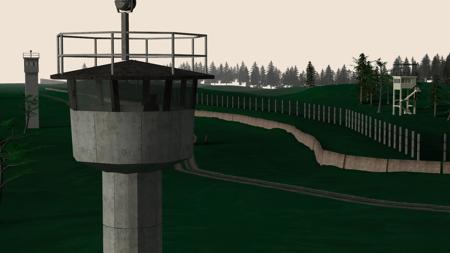
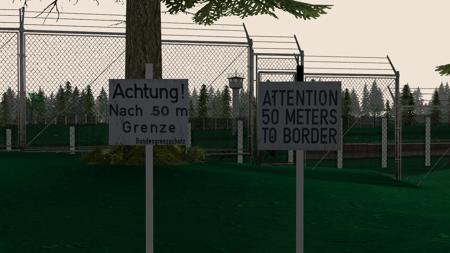
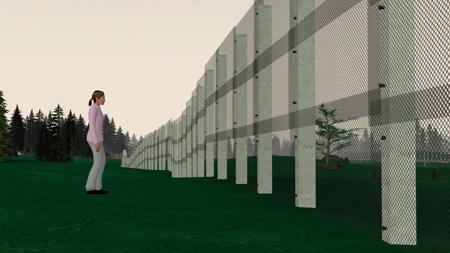
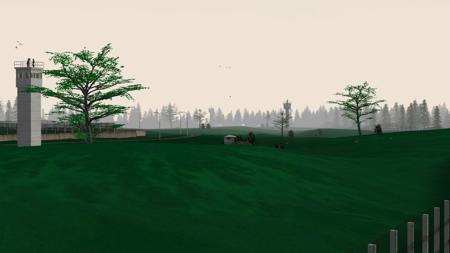
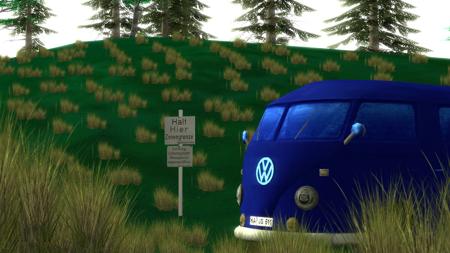
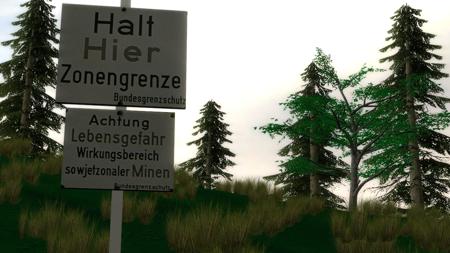
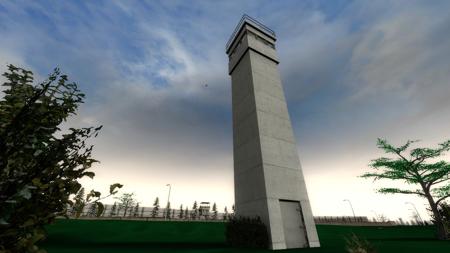
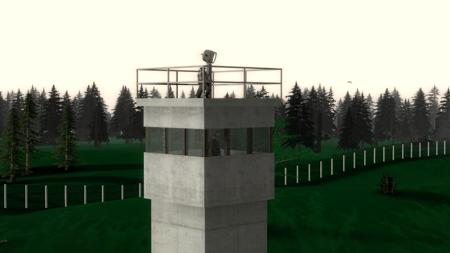
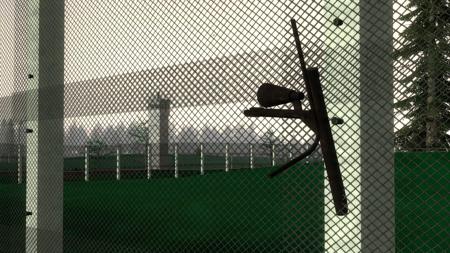
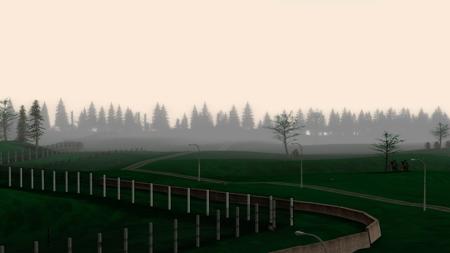
The border walls, watchtowers, fences, and the death strip (Todesstreifen) were meticulously reconstructed in 3D based on historical plans from 1976. This creates a dense, historically accurate atmosphere.
Two Playable Factions
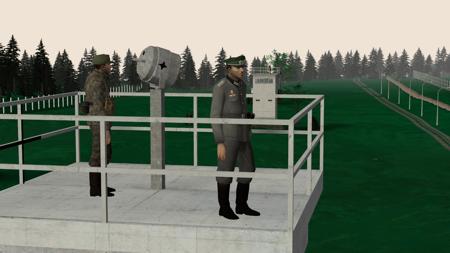
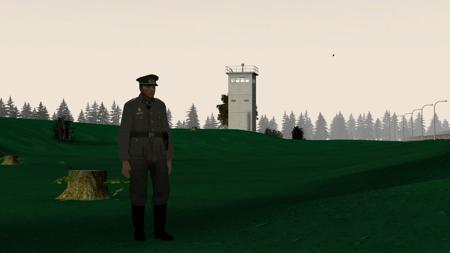
You can either step into the boots of an NVA border guard, or attempt to cross the fences, mines, and barriers as a refugee under life-threatening conditions to reach the Federal Republic (BRD).
The Gameplay Loop at a Glance
Role Selection
Choose your side: either a Refugee attempting escape, or an East German Border Guard.
The Encounter
Navigate searchlights and minefields in the dark while guards patrol the control strip.
The Moral Choice
The guard faces a split-second moral choice: make an arrest, open fire, or escape themselves.
The Outcome
Firing a weapon ends the guard's play, teleporting them to a modern courtroom trial.
Detailed Gameplay Mechanics & Rules
Asymmetric Matches
A round-based match supports up to 16 players, simulating the border crossing in real time. Refugees must find cover while searchlights from watchtowers scan the area.
The Courtroom Sequence
If a guard shoots, their game stops. Teleported to a court in the year 2000, they must witness their own historical trial and are taken out of active play.
Score Calculation
Guards earn points for non-violent arrests or escaping to the West. Refugees earn points by bypassing obstacles. Firing a weapon resets a guard's score to zero.
The Two Sides of the Conflict
Refugee (East-West)

As a refugee, you are unarmed. Your goal is to cross the heavily fortified border strip undetected and reach West Berlin or West Germany.
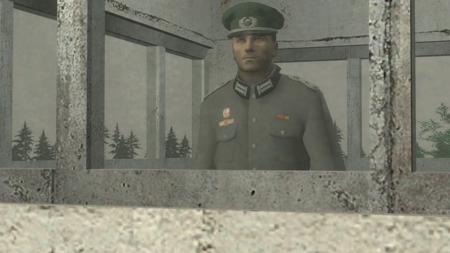
GDR Border Guard (NVA)
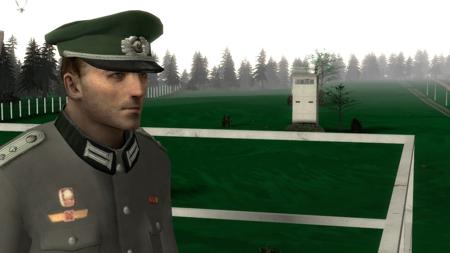
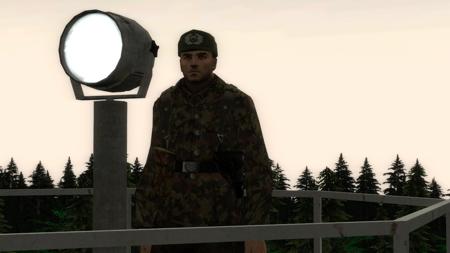
As a guard, you patrol the border strip. You are under pressure from the GDR leadership's order to shoot, control watchtowers, and must make independent moral decisions.
Media Reach
Articles and reports in German print media
Online reports in international media outlets
Television stations worldwide reported
Downloads of the game worldwide
Exhibitions & Museums
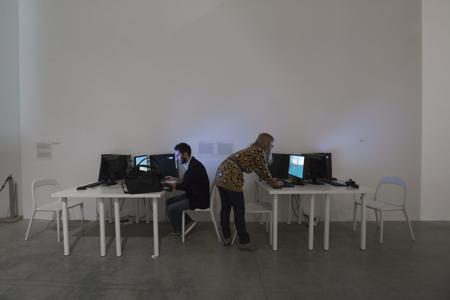
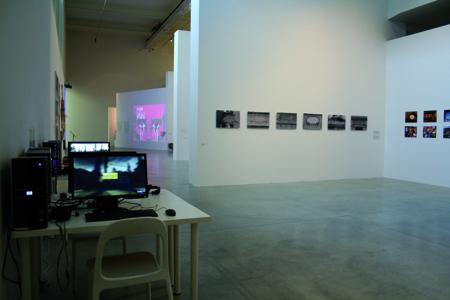
1378(km) has been displayed in renowned museums and exhibitions worldwide, allowing the serious game to be played and analyzed as an interactive work of art.
Museum of World Culture Highlight
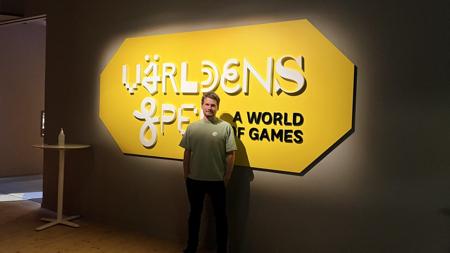
World of Games · Gothenburg, Sweden
Center for Art and Media (ZKM) Highlight
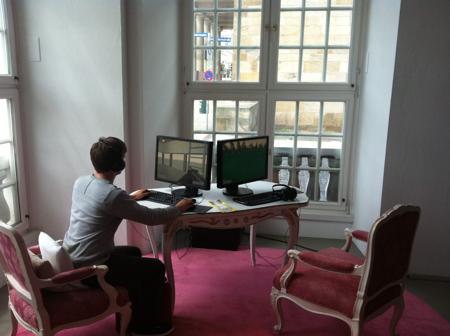
World of Games · Karlsruhe, Germany
Museum of Contemporary Art (MNK) Highlight
Global Contemporary · Karlsruhe, Germany
Nam June Paik Art Center Highlight
New Gameplay · Seoul, South Korea
DOX Centre for Contemporary Art Highlight
Lucifer Effect · Prague, Czech Republic
Computerspielemuseum Highlight
Permanent Exhibition · Berlin, Germany
Bundeskunsthalle Highlight
Art Students Exhibit · Bonn, Germany
MIT GameLab Highlight
Game Art Show · Cambridge, USA
Harvard University Highlight
German-American Conference · Boston, USA
Spielsalon Kassel
Festival of Author Games · Kassel, Germany
LEARNTEC
Level Up · Karlsruhe, Germany
Centro Cultural de São Paulo
Exhibition · São Paulo, Brazil
Ateneo de Manila University
Exhibition · Quezon City, Manila, Philippines
Pobeda Novosibirsk
Exhibition · Novosibirsk, Russia
Boston Cyberarts Gallery
Exhibition · Boston, USA
Kult Gallery
Exhibition · Singapore
Lostgens‘ Art Space
Exhibition · Kuala Lumpur, Malaysia
Commde-Design Center
Exhibition · Bangkok, Thailand
Athens Conservatoire
Exhibition · Athens, Greece
Goethe Villa
Exhibition · Yangon, Myanmar
FINKI Faculty of Computer Science
Exhibition · Skopje, North Macedonia
Neumünster Abbey
Exhibition · Luxembourg
Physics Room Jamie Hanton
Exhibition · Wellington/Christchurch, New Zealand
Goethe-Institut San Francisco
Traveling Exhibition · San Francisco, USA
Goethe-Institut Washington
Traveling Exhibition · Washington D.C., USA
Goethe-Institut Madrid (Conde Duque)
Traveling Exhibition · Madrid, Spain
Goethe-Institut Nancy
Traveling Exhibition · Nancy, France
Goethe-Institut Boston & Cambridge
Traveling Exhibition · Boston & Cambridge, USA
Goethe-Institut Shanghai
Traveling Exhibition · Shanghai, China
Goethe-Institut Beijing
Traveling Exhibition · Beijing, China
Goethe-Institut Lagos
Traveling Exhibition · Lagos, Nigeria
Goethe-Institut Nicosia
Traveling Exhibition · Nicosia, Cyprus
Goethe-Institut Istanbul
Traveling Exhibition · Istanbul, Turkey
Goethe-Institut Ankara (Cermodern)
Traveling Exhibition · Ankara, Turkey
Goethe-Institut Belgrade
Traveling Exhibition · Belgrade, Serbia
Goethe-Institut Zagreb & Rijeka
Traveling Exhibition · Zagreb/Rijeka, Croatia
Goethe-Institut Brussels (L’Iselp)
Traveling Exhibition · Brussels, Belgium
Goethe-Institut Sarajevo (Banja Luka)
Traveling Exhibition · Banja Luka, Bosnia and Herzegovina
Goethe-Institut Toronto
Traveling Exhibition · Toronto, Canada
Goethe-Institut Region SAS
Traveling Exhibition · Colombo, Chennai, Mumbai, New Delhi, India
Goethe-Institut Ramallah
Traveling Exhibition · Ramallah, West Bank
Goethe-Institut Manila
Traveling Exhibition · Manila, Philippines
Goethe-Institut Hanoi
Traveling Exhibition · Hanoi, Vietnam
Goethe-Institut Jakarta
Traveling Exhibition · Jakarta, Indonesia
Goethe-Institut Mexico City
Traveling Exhibition · Mexico City, Mexico
Media & Gameplay Showcase
Videos & Documentaries
Image & Media Gallery














Chronicle of the Scandal
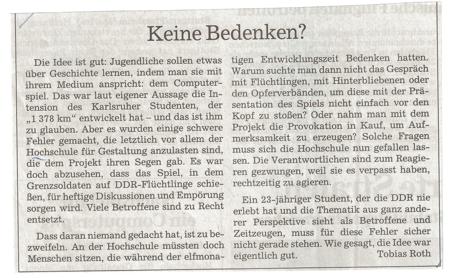
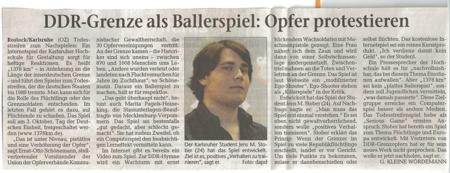
The development of 1378(km) and the subsequent media storm form a notable study of the mechanisms of tabloid press, political bias, and the recognition of video games as an art form.
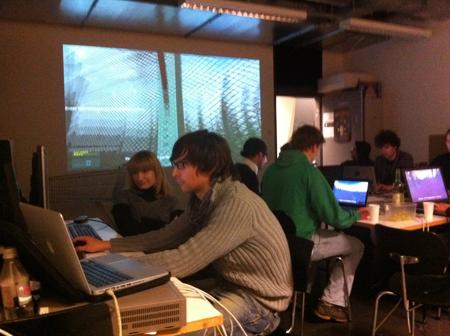
Mid-Degree Presentation at HfG
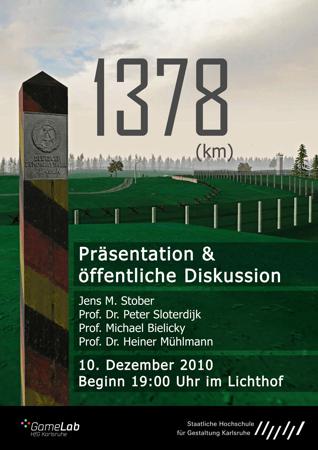
Jens M. Stober presents his mid-degree (Vordiplom) project in Media Arts at University of Arts and Design Karlsruhe (HfG). The interactive serious game prototype, based on the Source Engine (Half-Life 2), reconstructs the 1976 border installations. At this stage, the presentation is purely academic and gathers no public controversy.
Press Conference & First TV Interest
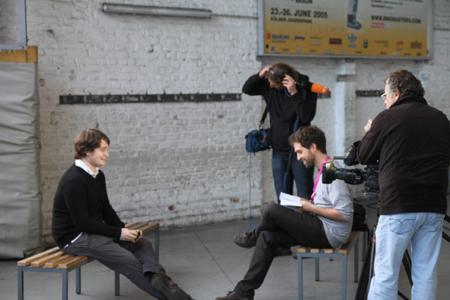
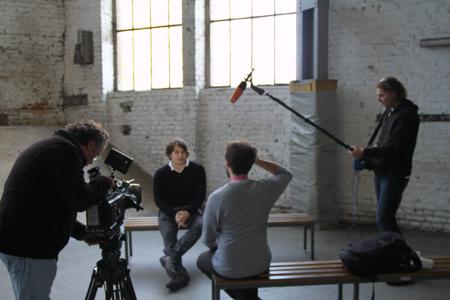
Ahead of the planned release on the Day of German Unity, a press conference is held at University of Arts and Design Karlsruhe (HfG). Numerous camera teams (ZDF, ProSieben, Sat.1) attend. Though invited to play the game themselves, most TV teams decline and instead film screens, setting the stage for future misrepresentation.
The BILD Tabloid Media Campaign
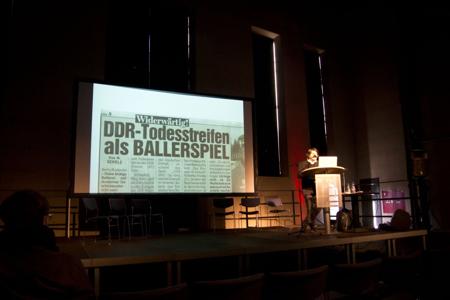
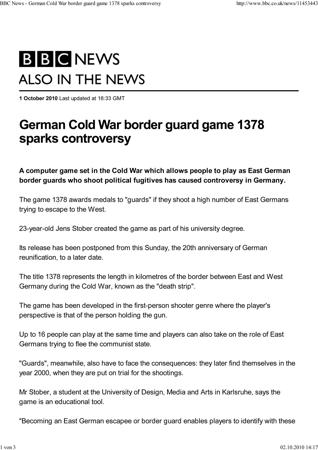
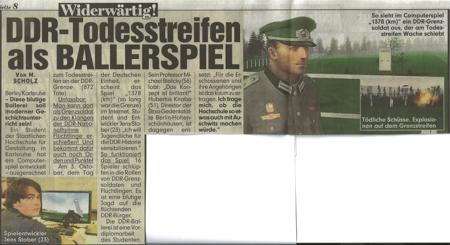
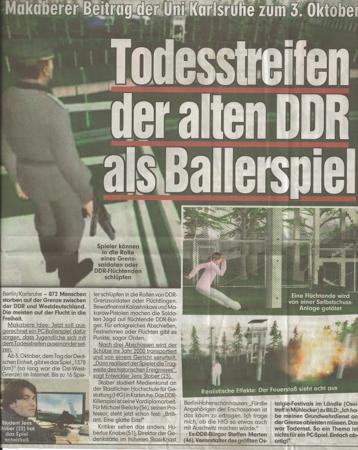
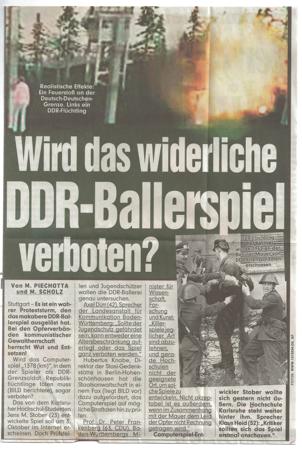
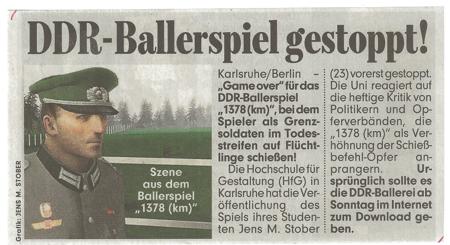
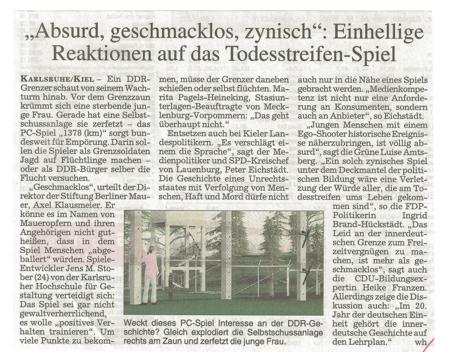
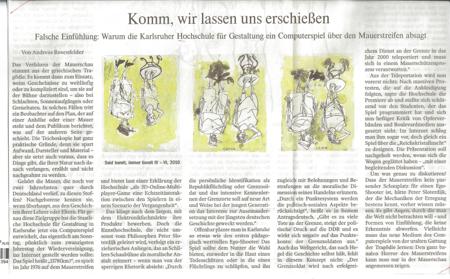
The tabloid BILD launches a massive campaign. With headlines like 'Revolting! East German Death Strip as a Shoot-'em-up', a nationwide emotional debate erupts. The game is portrayed as an action game where players are rewarded for shooting refugees – the exact opposite of its mechanics.
Release Postponement & Death Threats
Due to massive public pressure, protests from victim groups, and severe death threats against developer Jens M. Stober, he and the university decide to postpone the release on October 3. The goal is to calm down the public debate.
Official Statement for Clarification
Jens M. Stober publishes a statement clarifying the game rules ('Who shoots, loses!') and the moral dilemma: guards who shoot refugees are immediately disqualified and put on trial. He regrets that victims felt hurt due to false tabloid reporting.
Release Under Police Protection
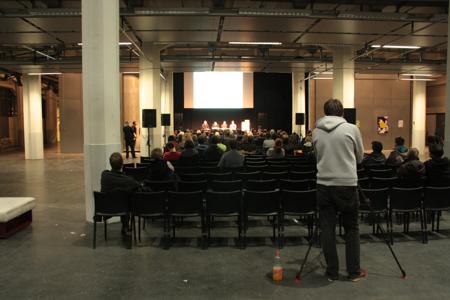
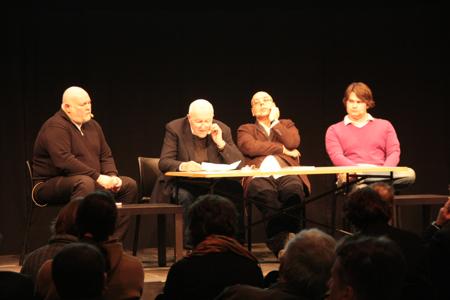
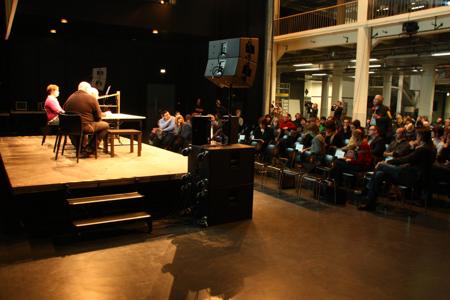
The game is officially released during a panel discussion at University of Arts and Design Karlsruhe (HfG) (the announced philosopher Peter Sloterdijk is not present, however). Due to death threats, the event requires police protection. The download starts at 23:00; the download servers immediately crash under the massive traffic.
Press Council Formally Cites BILD
The German Press Council issues an official admonishment against BILD. The reporting was found to violate the journalistic code of care (Ziffer 2 of the Press Code) because the newspaper had deliberately distorted and misrepresented the game's actual rules.
Investigations Dropped by Prosecutor
The public prosecutor's office in Karlsruhe drops all criminal investigations (initiated by victim groups for 'glorifying violence and incitement'). Charges that the artwork violates human dignity are rejected, confirming that it instead promotes historical reflection.
International Museum & Exhibition Tour
The serious game is exhibited in major museums worldwide, including ZKM Karlsruhe, Computerspielemuseum Berlin, AMAZE Festival Berlin, Bundeskunsthalle Bonn, and DOX Museum Prague ('The Lucifer Effect'). More than 750,000 players download the game.
Späte Honored as 'Best German Game of 2010'
The newspaper 'WELT' and the magazine 'Computerbild Spiele' name 1378(km) one of the 25 best German games of the last 25 years and the best game of 2010. Ironically, both are outlets of the Axel Springer group, whose tabloid BILD had started the scandal three years prior.
Latest News & Updates
Media Art, Death Threats and 1 Million Downloads: What remains after 16 years of 1378(km)?
Looking back at the history of 1378(km), from media storm and death threats to server crashes and späte Gerechtigkeit. What remains after 16 years of the serious game?
Read more
Today 10 years ago…
Exactly ten years ago today, I planned to publish my media art mid-degree project 1378(km) – a computer game modification about the inner-German border. The artistic serious game triggered a worldwide media scandal, leading to death threats and police protection. Today, I look back on this life-changing event...
Read more
1378(km) on its way into the history books…
While the game has settled down in terms of public outrage, it has secured its place in history as a moral educational tool and subject of academic study.
Read moreDownload & Installation
System Requirements
You will need a Steam account with the free tool 'Source SDK Base 2006' installed. The game 'Half-Life 2: Deathmatch' is no longer required. 1378(km) is a free modification of the Source Engine for Windows PCs.
Download the game files using the download link below.
Extract the ZIP archive into your following Steam directory:C:\Program Files\Steam\steamapps\SourceMods\
Ensure your path looks like this:...\SourceMods\1378
Restart Steam after copying the files. The game will then appear in your Steam library under 'Library'.
About the Developer
Dr. Jens M. Stober
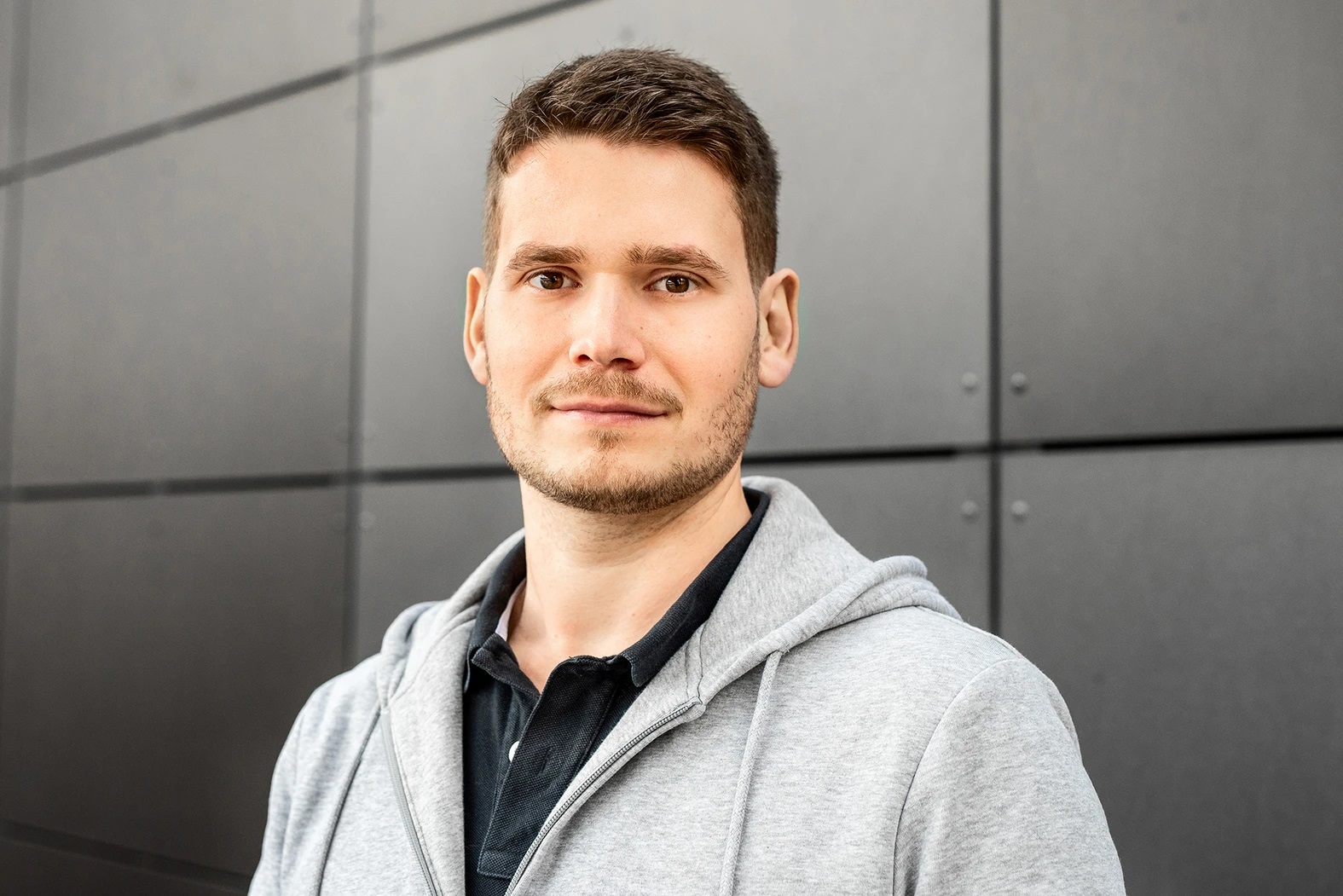
Media Artist, Game Designer & Co-founder Gamelab KarlsruheThe artistic serious game 1378(km) is the mid-degree work of media artist Dr. Jens M. Stober from 2010. Jens studied Media Arts with a focus on game art and game design at the University of Arts and Design Karlsruhe (HfG) and the associated Center for Art and Media (ZKM), where he also co-founded the Karlsruhe Gamelab. After graduating, he completed his PhD on hacking as a playful game design strategy for experimental brain-computer interface (BCI) games at the Games & Experimental Entertainment Laboratory (GEElab) at RMIT University in Melbourne. His work is rooted in media art and the joy of creation: 'Creativity is intelligence having fun.' As a specialist for Creative Technology & Interactive Realities, he connects art and technology. Learn more at www.elorx.com.